
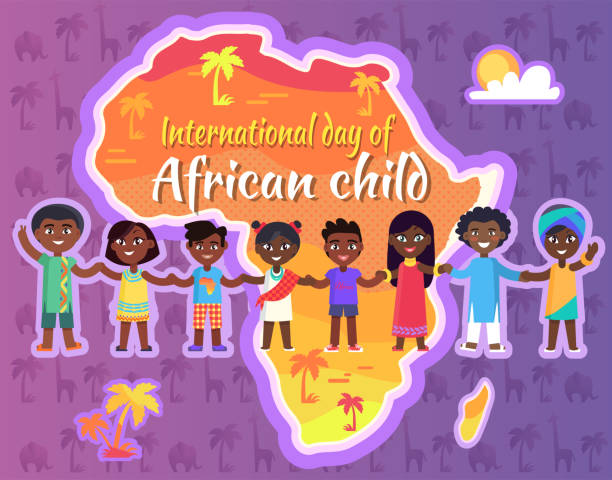
Every year on June 16, communities around the world come together to recognize the International Day of the African Child, and honor the courage, resilience, and potential of children across the African continent. At World Forgotten Children Foundation, we stand to ensure that this day is more than a moment of remembrance. It is a call to action to ensure that every child has access to education, safety, and a voice in shaping their future.
About International Day of the African Child
The International Day of the African Child was established in 1991 by the Organization of African Unity, to commemorate the Soweto Uprising of June 16, 1976. On that day, thousands of Black schoolchildren in Soweto, South Africa, took to the streets to protest poor-quality education and policies that forced them to learn in Afrikaans, a language associated with oppression under apartheid. Today, their legacy lives on in ongoing efforts to ensure that all children receive the education and dignity they deserve.
Education: A Fundamental Right
Africa is home to over 600 million children, making it the youngest continent in the world. By 2050, nearly 40% of the world’s children will live in Africa, translating to 4 out of every 10 children in the world, underlining the importance of investing in their educational development now.
Unfortunately, millions of children across the continent still face significant barriers to accessing quality education, infrastructure, and resources. Research shows that many students are unable to achieve basic reading and math proficiency by the end of primary school. For children with disabilities, the challenges are even greater. They are less likely to attend school at all, and more likely to fall behind academically without inclusive support systems.
Education is more than access to a classroom and learning academic skills. Proper, supportive education is the foundation of opportunity, equality, and empowerment. It provides children with the tools to be self-sufficient, break cycles of poverty, contribute to their communities, and pursue their dreams. Ensuring inclusive, high-quality, and accessible education to all children is essential to the future of communities and nations.
The Importance of Inclusion and Equity
The International Day of the African Child also calls attention to broader issues of equity, inclusion, and child rights. Africa accounts for a significant share of the world’s children living in poverty, which greatly impacts their access to basic services like healthcare, increases their exposure to conflict and violence, and increases rate of gender inequality and early marriage. Children act as the seeds of society; when these issues affect them, they affect entire communities, countries, and generations.
Through coordinated efforts by governments, organizations, and communities, progress is being made. Policies like the African Charter on the Rights and Welfare of the Child provide a roadmap for protecting children’s rights and ensuring their well-being. By recognizing children as rights-holders, it calls on governments to upload essential provisions to protect and serve them by creating systems that support all children, regardless of ability or background. When children are included, communities become stronger, healthier, and more resilient.
How We Can Make a Difference
The International Day of the African Child reminds us that change is possible and that each of us has a role to play. Whether you are an educator, donor, volunteer, or advocate, your actions matter. Small actions can lead to big changes.
At World Forgotten Children Foundation, we are dedicated to supporting children, and believe that every child deserves access to education, a safe and supportive environment, and opportunities to grow and thrive. Our mission focuses on supporting efforts to create a world where no child goes without the medical and therapeutic equipment they need; and we understand that inclusive, education, and equity are tantamount to these efforts.
Our readers, supporters, and community members make our work possible. Because of you, children are gaining access to opportunities that can change their lives.


