

September is Hydrocephalus Awareness Month, a time dedicated to shining a light on a condition that affects millions of children and adults worldwide, but is still widely misunderstood. For World Forgotten Children Foundation (WFCF), this month is more than just an awareness campaign; it’s an opportunity to educate, advocate, and call for action so that no child living with hydrocephalus is left behind.
What is Hydrocephalus?
Hydrocephalus is a condition in which cerebrospinal fluid (CSF) builds up in the brain. Normally, CSF cushions the brain and spinal cord, delivering nutrients and removing waste. But when too much fluid accumulates, it creates dangerous pressure on the brain.
This buildup can be caused by:
- An obstruction that prevents fluid from draining properly.
- Problems with the body’s ability to absorb CSF.
- Overproduction of CSF.
Hydrocephalus can be present at birth (congenital) or develop later in life due to infection, injury, bleeding, or tumors. In many developing countries, childhood infections and lack of timely medical care are leading causes.
How Hydrocephalus Affects Children
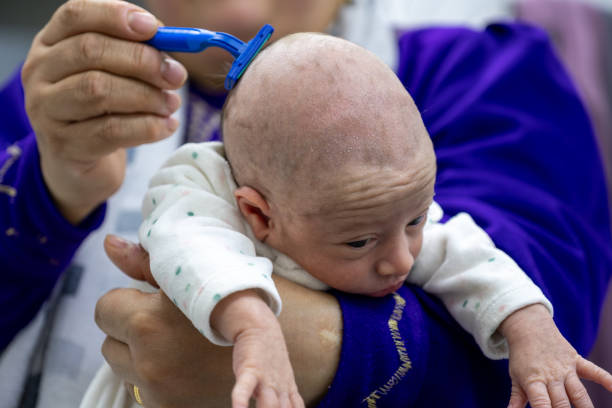
The symptoms of hydrocephalus vary with age but are often devastating when untreated. Infants and young children may show enlarged heads, bulging soft spots, vomiting, seizures, irritability, or developmental delays. Older children and adults may experience headaches, vision problems, difficulty walking, memory loss, or changes in personality.
Without treatment, hydrocephalus can cause severe brain damage or even be fatal. But with timely medical care, children can go on to live healthy, fulfilling lives.
Treatment and Challenges
The most common treatment is surgery to implant a shunt system, a medical device that drains excess fluid from the brain into another part of the body where it can be absorbed. Another option, endoscopic third ventriculostomy (ETV), can sometimes be performed, especially in older children.
In low-resource countries, these treatments are often out of reach. Hospitals may lack trained neurosurgeons, equipment, or funding. Families may be forced to travel long distances to seek care, only to find that it is unaffordable. Unfortunately, many children never receive the treatment they need.
Why Awareness Matters
Hydrocephalus is treatable, but stigma, lack of knowledge, and limited resources mean countless children suffer needlessly. Parents may not recognize the warning signs. Communities may misunderstand the condition, leading to isolation for families. Policymakers may overlook hydrocephalus when setting healthcare priorities.
This is why we need to talk about hydrocephalus. Awareness saves lives. When people understand the symptoms, seek care early, and advocate for resources, more children can access the treatment they deserve to detect and treat conditions early and offer them a full and healthy life.
WFCF’s Commitment
WFCF is dedicated to improving the lives of orphaned children and those living with disabilities in developing countries. Our work includes supporting projects that provide access to clean water, healthcare, and medical interventions that change lives.
By shining a light on hydrocephalus, we hope to give voice to children and families who too often go unheard. Every child deserves the chance to grow, learn, and thrive without the burden of untreated medical conditions.
How You Can Help
- Educate yourself and others. Share information about hydrocephalus with your community.
- Support organizations like WFCF that fund medical care and community health initiatives in underserved regions.
- Donate to WFCF today to help us fund projects that provide the resources children with hydrocephalus and other conditions urgently need.
A Brighter Future
Hydrocephalus does not have to steal childhood. With awareness, advocacy, and action, children everywhere can access life-saving treatment and live with dignity. At WFCF, we believe that when we talk about hydrocephalus and act on what we learn, we move one step closer to a world where no child is forgotten. Donate to WFCF today.


