
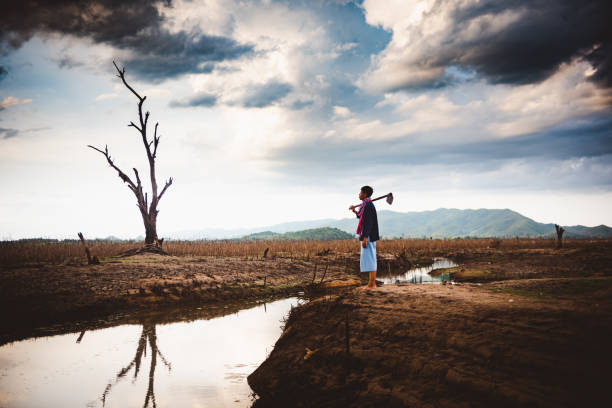
Climate change is taking a devastating toll worldwide, but African countries are facing some of the most extreme consequences despite contributing the least to the crisis. Rising temperatures, shifting rainfall, severe droughts, catastrophic floods, and relentless heatwaves are reshaping daily life across the continent. For Africa’s most vulnerable communities, climate change is not an abstract issue for tomorrow; it is a lived reality today that threatens food security, health, education, and livelihoods.
A Heavy Price for the World’s Lowest Emitters
Africa produces less than 4% of global greenhouse gas emissions, yet the continent bears a disproportionate share of climate damages. According to recent estimates, climate change already costs African nations between 2 and 5% of their gross domestic product (GDP) annually, with some countries spending as much as 9% of their budgets on disaster response. By 2030, as many as 118 million of the continent’s poorest people are expected to suffer the compounded effects of droughts, flooding, and extreme heat.
This is not just a development setback; it is a matter of survival. In Nigeria, floods displaced more than 600,000 people in 2024, while in Zimbabwe and Zambia, droughts cut cereal harvests by nearly half. Families that once sustained themselves through farming now rely on humanitarian aid, undermining dignity and deepening cycles of poverty.
Children and Families at Risk
For World Forgotten Children Foundation (WFCF), the most concerning impacts are those borne by children and marginalized communities. Climate change is a health crisis as much as an environmental one. A review of more than 2,000 public health events in Africa between 2001 and 2021 revealed that 56% were climate-related.
- Nutrition: Droughts and crop failures are fueling food insecurity, leaving millions of children malnourished.
- Health: Rising temperatures are driving waterborne illnesses, expanding the reach of malaria, and straining fragile health systems.
- Education: In South Sudan, schools were forced to close in 2024 when temperatures reached 45°C. Across sub-Saharan Africa, millions of children are missing education due to extreme weather.
- Displacement: Last year alone, nearly 700,000 Africans were forced from their homes by floods, droughts, and heatwaves. Families living in displacement camps face unsafe water, poor sanitation, and heightened disease risks.
These compounding crises threaten to reverse decades of progress in health, education, and poverty reduction.
Africa’s Leadership and Solutions
While African nations are disproportionately vulnerable, they are also at the forefront of solutions. At the Second Africa Climate Summit (ACS2), scheduled for September 8–10, 2025, in Addis Ababa, Ethiopia, leaders will unite under the theme “Accelerating Global Climate Solutions: Financing for Africa’s Resilient and Green Development.”
The following African-led initiatives are already reshaping the global climate response:
- The Great Green Wall is restoring 100 million hectares of degraded land across 22 countries.
- Kenya is on track to achieve 100% renewable electricity generation by 2030.
- The African Union’s Kampala Declaration aims to boost agricultural output by 45% by 2035 through climate-smart farming.
- New programs are mobilizing innovative finance to help cities withstand floods, heatwaves, and storms.
These efforts highlight Africa’s innovation, resilience, and determination to not only adapt but also lead the global transition to a greener future.
The Call for Fair Climate Finance
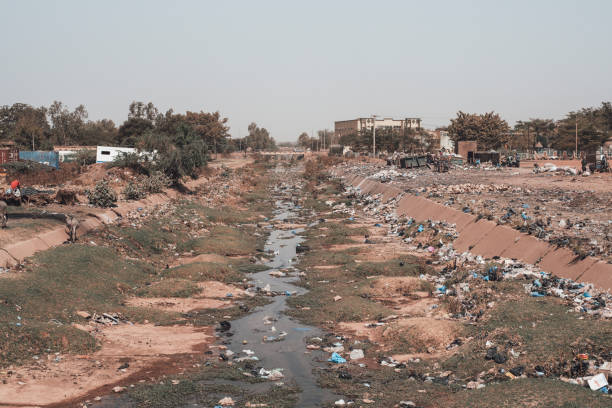
Progress cannot come without resources. Africa needs an estimated $3 trillion by 2030 to meet climate and development commitments. Today, the continent receives only 20% of global adaptation finance, far short of what is required. Without major reforms to global finance systems that shift away from debt-heavy loans to fair and accessible funding, millions of African families will remain trapped in cycles of vulnerability.
Aid alone is not enough. What Africa requires is equitable investment: financing that empowers local communities, supports small businesses, strengthens health systems, and builds climate resilience from the ground up.
A Global Responsibility
For the world’s children, especially those in marginalized communities, the stakes could not be higher. Climate change is projected to cause an additional 14.5 million deaths globally by 2050 and wipe out $12.5 trillion in economic value. In Africa, where poverty is widespread and healthcare systems are fragile, these numbers translate directly into lives lost and futures foreclosed.
The international community must act with urgency. Supporting Africa’s resilience is not charity; it is justice, and it is essential for global stability.
Protecting the Children
We at World Forgotten Children Foundation (WFCF) recognize that children in developing countries are the most vulnerable to the cascading effects of climate change. They are also the least responsible for the crisis. Addressing the extreme toll of climate change on African countries is not optional; it is an urgent moral imperative.
By amplifying African voices, investing in community-led solutions, and ensuring that no child is left behind, we can help shape a future where resilience replaces vulnerability and hope overcomes despair. Africa’s fight against climate change is a fight for all humanity, and one that the world cannot afford to ignore.
How You Can Help
You can make a real difference in the lives of Africa’s most vulnerable children and communities by supporting WFCF’s mission to fund projects that promote the health and welfare needs of underprivileged communities and orphaned children with disabilities in developing countries. Donations empower community-led projects that build climate resilience, promote sustainable agriculture, and expand access to renewable energy while also supporting children with disabilities.
You can also advocate for climate justice by raising awareness about the disproportionate impacts of climate change on African nations and the urgent need for fair and equitable climate finance. Educate others, share verified information and engage your networks to amplify African voices in the global conversation. Additionally, volunteering your time, skills, or expertise or collaborating through professional or corporate partnerships directly strengthens programs on the ground and ensures that children and families have the resources, support, and hope they need to thrive despite the climate crisis.
Support WFCF
The mission of WFCF supports projects that promote the health and welfare needs of underprivileged communities and orphaned children with disabilities in developing countries. Make a donation today.


